
Introduction
Here is a number most buyers miss: the global vacuum storage bag market is projected to keep growing at roughly 6–8% per year, and travel is no longer the main driver. The reason is simple — the product finally stopped looking like a niche gadget. Modern vacuum compression bags with PA+TPU construction are submersible, airtight, reusable and genuinely good-looking. They solve a universal problem: too much stuff, too little space.
If you sell storage, travel gear, outdoor equipment or baby products, vacuum bags are no longer a side SKU. They are a category with its own margin structure and repeat-purchase logic. Here are the four markets worth your attention.
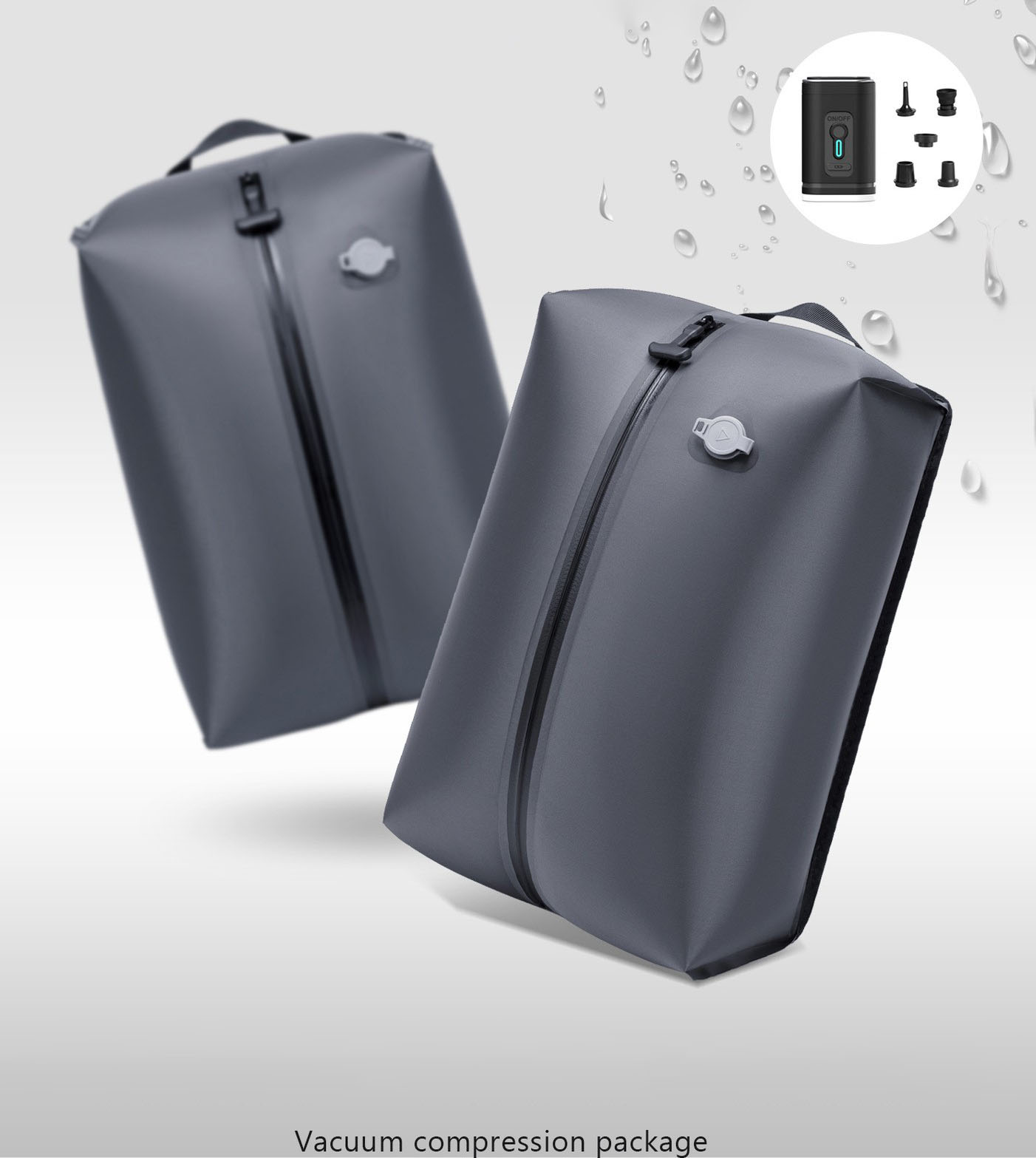
Market 1 — Travel: From Luggage Accessory to Carry-On Standard
The travel use case remains the strongest entry point, but it has upgraded. Frequent flyers no longer stuff clothes into flimsy plastic rolls; they use structured compression packing cubes that save 50% to 70% of wardrobe volume and keep clothes dry even when the bag gets dunked in the rain.
The winning angle for brands is not “compress your clothes.” It is “carry a week of outfits in a cabin bag” — a promise backed by a one-way valve, an airtight zipper track and a hand pump that works in under a minute. That is the spec story, and it sells.
Market 2 — Home & Wardrobe: The Seasonal Storage Refill Loop
Here is the part that makes financial sense for brands: home storage creates repeat purchases. A customer buys compression bags in November to store winter coats, then again in May for the summer rotation. Same customer, two orders a year, plus referrals.
Retailers are catching on. Vacuum bags are now merchandised next to bedding and closet organizers, not just in the luggage aisle. For an OEM manufacturer like SimiBag, home-storage buyers typically order larger volumes and simpler SKUs — which means cleaner pricing and steadier production slots.
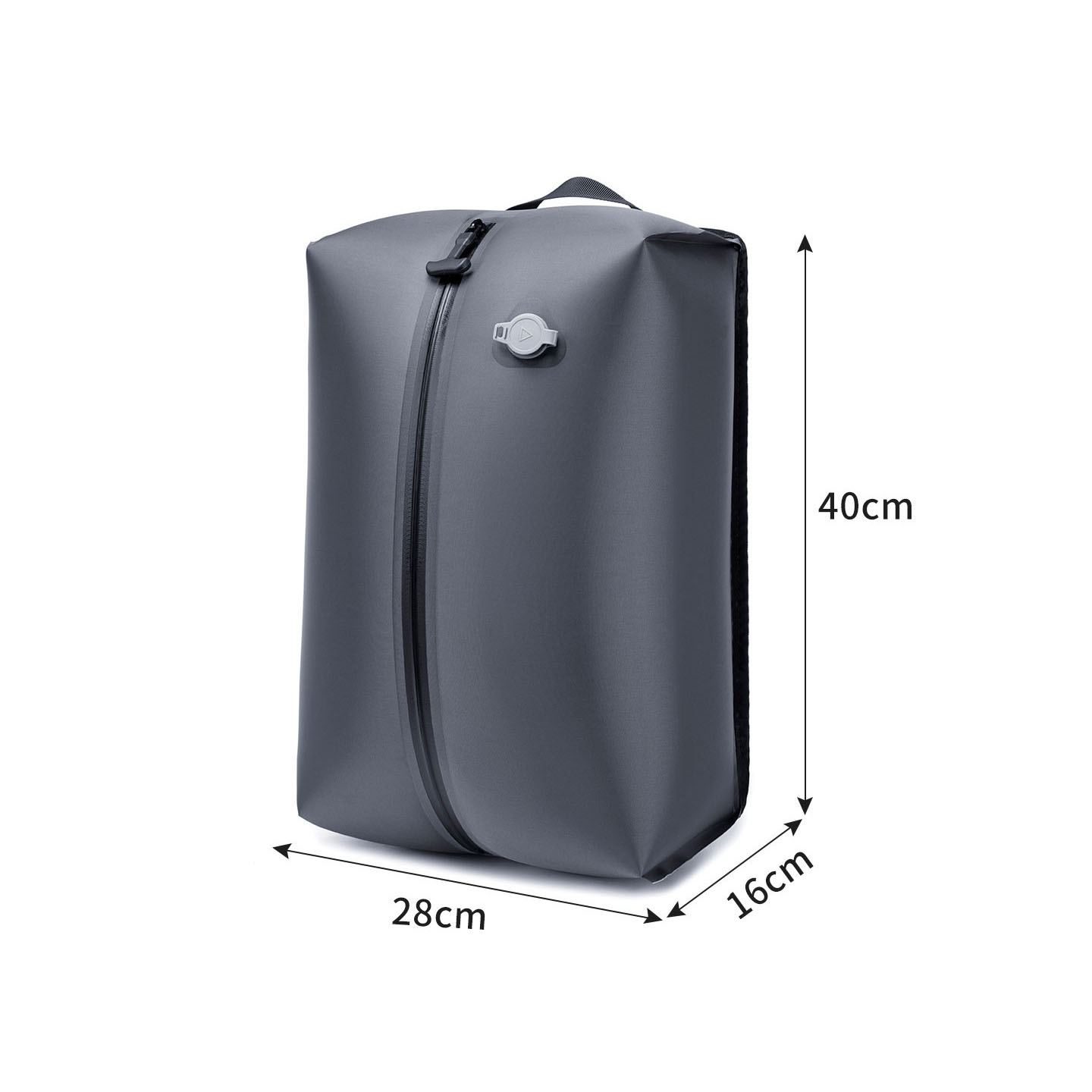
Market 3 — Outdoor & Camping: Gear That Must Stay Dry
Campers, boaters and overlanders have brutal requirements: gear must survive rain, mud and river crossings. A PA+TPU vacuum bag with a waterproof zipper is one of the few storage solutions that can be fully submerged without letting a drop inside.
Outdoor brands have started bundling compression bags into tent and sleeping-bag systems — compression for volume, waterproofing for survival. The spec that wins here is measurable: hydrostatic head rating, seam sealing and the ability to hold vacuum for extended periods without leaks.
Market 4 — Baby & Family: The Emotional Purchase
Parents store outgrown clothes, blankets and keepsakes — usually for years. A baby-clothes compression set taps into nostalgia and practicality at once: protected fabric, visible contents, no mildew. In this market, the buyer is not price-sensitive about a quality set that preserves memories. They want certification-safe materials, rounded hardware and no sharp edges.
Conclusion
Vacuum storage bags have outgrown their luggage-aisle origins. Whether your channel is travel, home, outdoor or baby, the product story has changed: it is now about space, protection and repeat purchases. SimiBag manufactures custom vacuum compression bags in PA+TPU with full certification support, low MOQ options and fast sampling. Send us your target market, and we will engineer the bag that wins it.
#VacuumStorageBags #CompressionBags #VacuumBagManufacturer #TravelGear #HomeStorage #OutdoorGear #BabyStorage #OEMBags #PAAndTPU #CustomPackaging