
A premium backpack is not built by one factory. It is built by a coordination problem that most brands never get to see.
Walk the floor of a mid-size bag plant in Guangzhou and you will count cutting tables, sewing lines, a QC bench and a shipping dock. What the tour never shows is the second tier behind that floor: the webbing mill, the zipper plant, the foam converter, the woven-label shop, the plating bath and the independent test lab. Those are the companies that decide whether order six still looks like the golden sample, or like a negotiation.
The short version: a sub-tier supplier is any company that sells a component or a service to the factory that assembles your backpack, not to you. In Guangzhou that entire layer sits inside roughly a 30 km radius, and that density — not cheap labour — is what turns premium quality into a repeatable result.
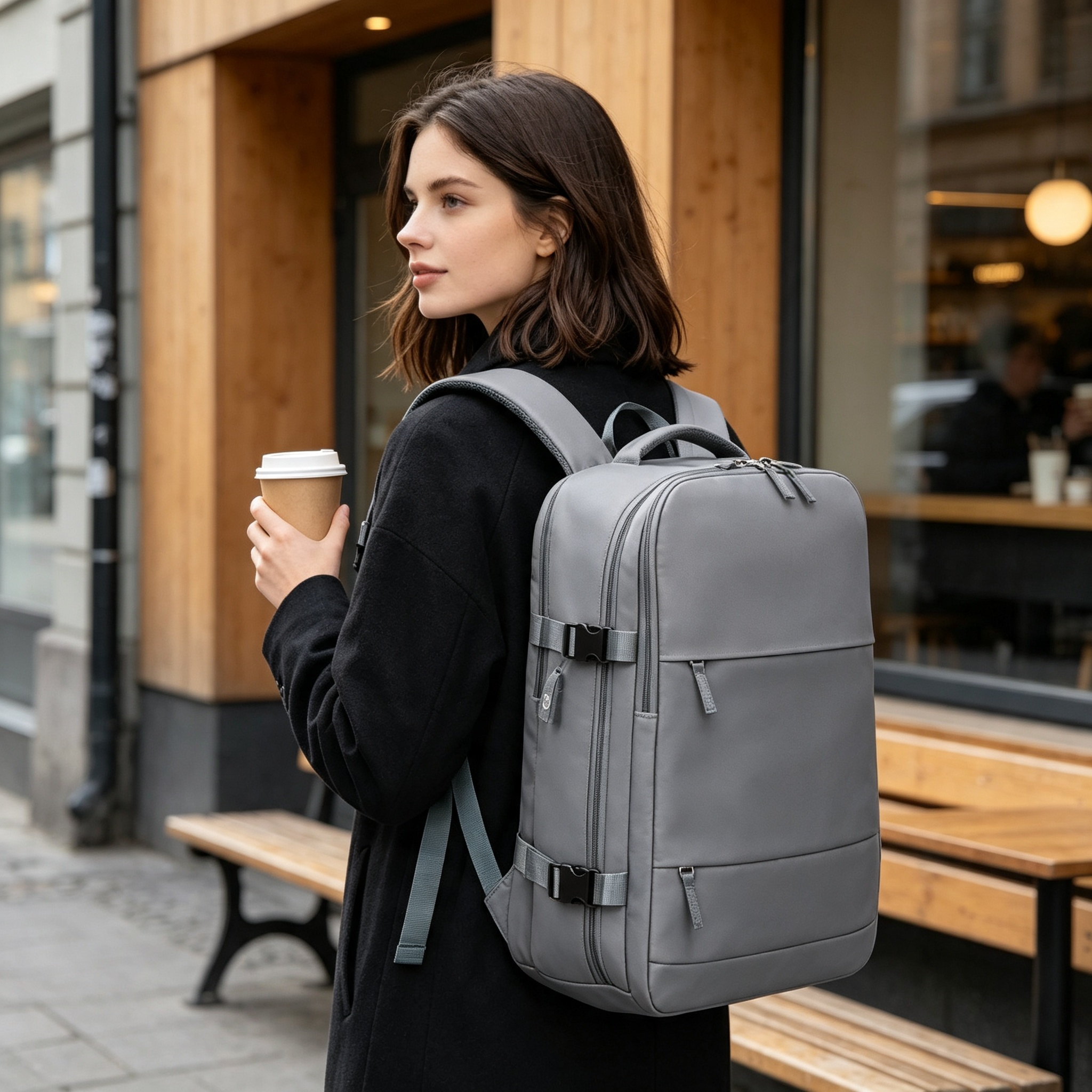
The second tier nobody audits
A single 25-litre daypack carries about 40 discrete components. Six to eight of them cause nearly all field failures, and every one arrives from a different specialist:
- Webbing mills — tape width tolerance, tensile strength and colour fastness on shoulder straps and haul loops.
- Zipper plants — slider pull force, tape tensile and chain strength; YKK or SBS grade is specified, never assumed.
- Foam converters — density, compression set and thickness tolerance for back panels and strap padding.
- Label and embroidery shops — weave density, laser-cut edges and colour matching under retail lighting.
- Plating and anodising shops — coating thickness in microns and salt-spray hours on every metal part.
- Independent labs — third-party and accredited, reporting on your lot number rather than on a generic sample.
None of them appear on your purchase order. All of them appear in your customer’s return rate.
Thirty kilometres is the actual product
Quality repeatability is the ability to deliver the same bag, to the same specification, on order one and order six, six months apart.
That sounds like a factory virtue. It is really a logistics one. When the webbing mill is twenty minutes away, a shade drift is caught in the same week, a swatch is walked across town instead of couriered across a province, and a failing zipper batch is quarantined before it reaches a cutting table. Push the same supply chain out to 800 km and every correction takes two weeks — long enough for a bad run to be sewn into finished goods.
Density also buys options. Inside 30 km, a buyer can request a component test on a Tuesday and hold the report on a Thursday. That speed is why repeatable premium quality is a Guangzhou outcome rather than a Guangzhou promise.
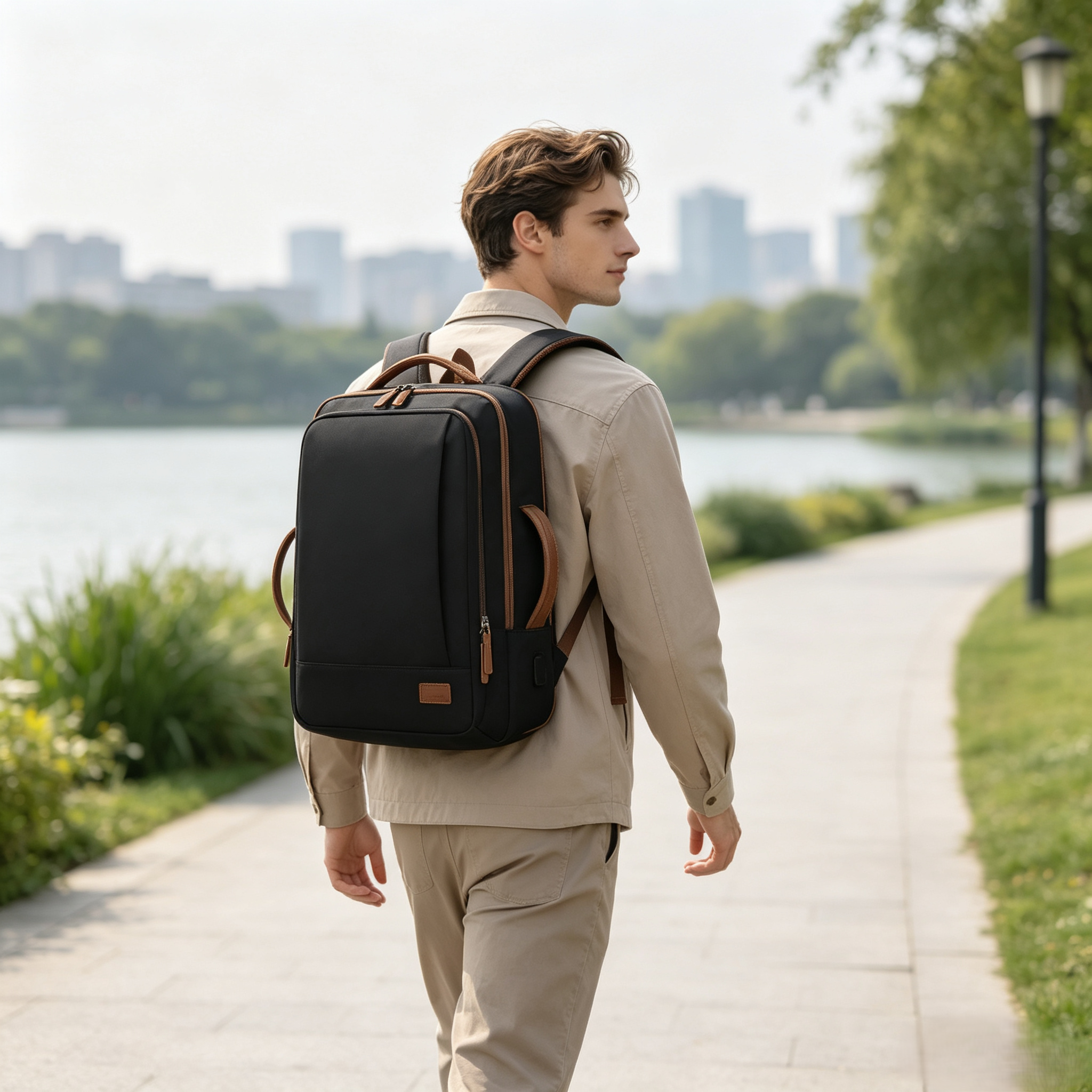
A five-item audit checklist for the second tier
- Ask for a component bill of materials that names sub-tier companies and plant addresses, not just part numbers.
- Require mill or lot certificates for webbing and zippers, matched to the production lot you are shipping.
- Pin foam density and foam supplier on the spec sheet, then re-test on repeat orders.
- Specify hardware plating thickness and a minimum salt-spray result, and ask for the test report.
- Confirm that the lab running your tests is third-party and accredited — and that the report names your lot.
Put change control in the purchase order
Most quality failures are not defects. They are substitutions. A mill runs out of a shade, the factory buys an equivalent, and the bag ships three per cent darker. Nothing is broken, and the season is still ruined.
One clause prevents most of it: no substitution of any component or sub-tier supplier without written approval and a re-approved sample. Pair it with a retained golden sample in your own office, and you hold a physical baseline to compare against instead of a memory of a conversation.

A premium backpack is a chain of specialised factories inside a 30 km circle. Buyers can purchase the chain, or they can purchase the assembly and hope. SimiBag works from a documented second tier — named mills, specified plating and third-party lab reports — so what you approve in the sample room is what lands in the container. Ask for a sub-tier map of your program at https://simibag.com.