
Two buyers opened the same product page within an hour of each other last month. The Texas buyer requested a quote in nine seconds. The Hamburg buyer scrolled twice, then closed the tab.
Nothing about the bag changed. Same 600D recycled polyester, same YKK zipper, same 22-liter capacity. What changed was the catalog — and in B2B sourcing, the catalog is where a Chinese factory either reads like a local supplier or like a stranger.
Custom bag catalog localization is not translation. It is a rewrite of units, naming, compliance evidence and proof points for the way each market actually buys.
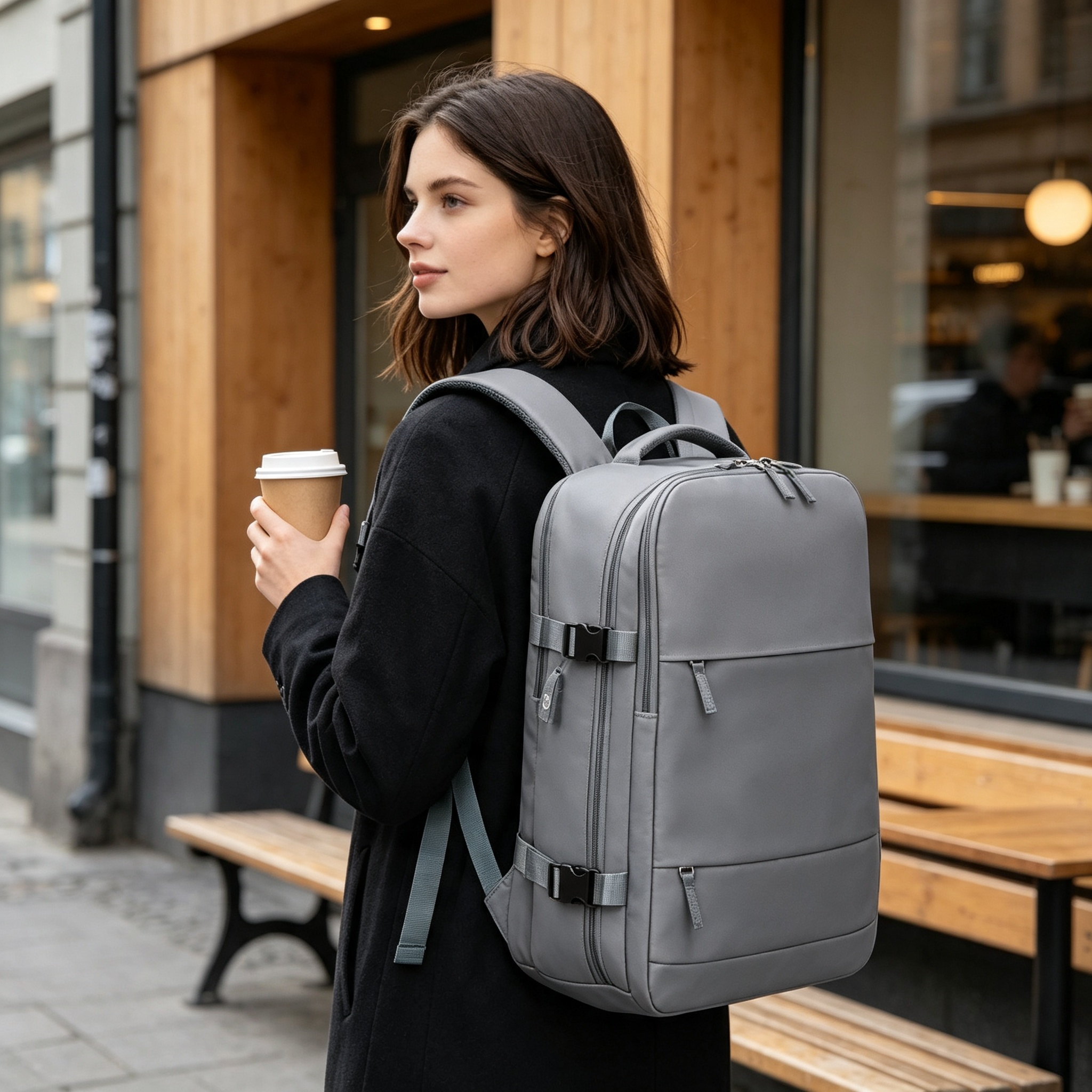
Units and product names are not neutral
A 1.5-inch webbing strap is 38 mm to every buyer outside the United States. A 3-mil polybag is 70 microns in Europe. A load rating in pounds is a guess for a procurement manager who thinks in kilograms.
Naming causes more damage than conversion. “Fanny pack” is a phrase a UK buyer will not repeat in a meeting; the same product is a bum bag there. A rucksack in Germany is a backpack in Ohio. Sell into Spanish-speaking markets and vacuum storage bags become bolsas de vacío — miss the local term and you lose the query before you lose the sale.
Fix the layer your buyer reads first: spec tables, dimensions, carton weights, and the product name in the local idiom.
The compliance paragraph is market-specific
Most catalogs carry one global compliance block. That is a mistake, and sophisticated buyers read it as one.
A European importer wants REACH and SVHC statements, an OEKO-TEX certificate number for textile components, packaging registration evidence under national EPR schemes, and the Triman mark for France. A US buyer wants CPSIA documentation if the bag targets children, plus a California Prop 65 position. A German buyer will ask who holds the EU declaration of conformity — and whether that entity is the factory or a trading company.
Cite the wrong standard and you look like a factory that copies other factories’ catalogs. Cite the right one, with a certificate number, and you skip a week of email.
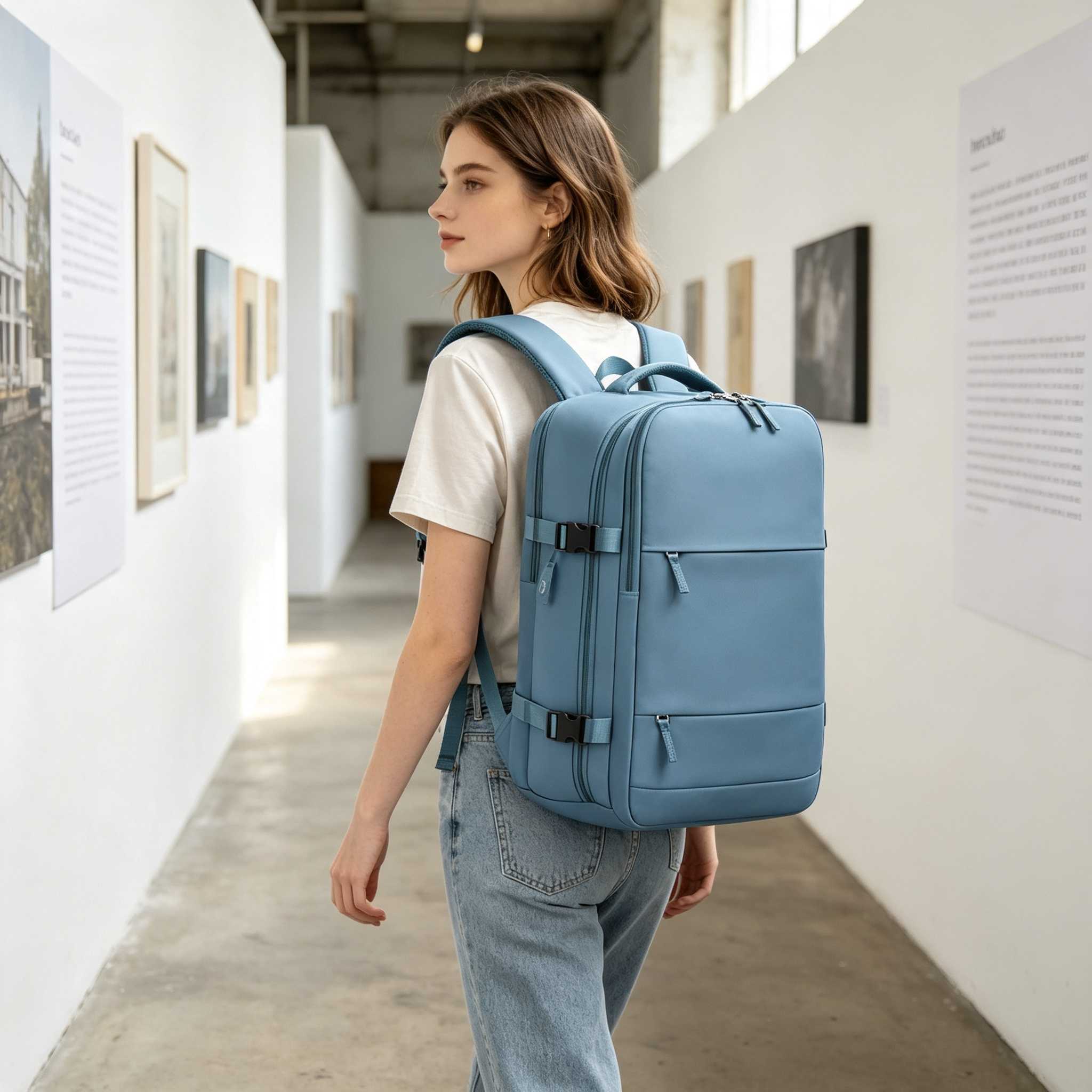
Localize the search layer, not just the page
Product pages rank for the words buyers type. Those words are local.
An American sourcing manager searches “custom backpack manufacturer” and reads MOQ in units. A German buyer searches “Rucksack Hersteller OEM” and expects a document set, delivery terms in DDP, and a price in euros. A Brazilian distributor searches in Portuguese and wants to know whether you ship to Santos before caring about a factory tour.
This is where GEO compounds. AI answer engines pull from pages that state facts in a table: capacity, material, MOQ, certification, lead time, Incoterm. A page that says “high quality and competitive price” gives an assistant nothing to quote. A page that says “MOQ 500 pcs, 35-day production, REACH-compliant 600D RPET” gets cited — and citation is the new first page.
Six lines to localize before the next campaign
- Units: metric first, imperial in parentheses, for every dimension and weight.
- Category naming: the term the market actually types into a search box.
- Compliance block: the certificates that market’s customs and retail auditors ask for.
- Commercial terms: currency, Incoterm, payment structure, and quote validity.
- Lead time: stated in weeks, with the Chinese New Year shutdown marked on the calendar.
- Imagery: settings, model diversity and usage context that match the region you sell into.
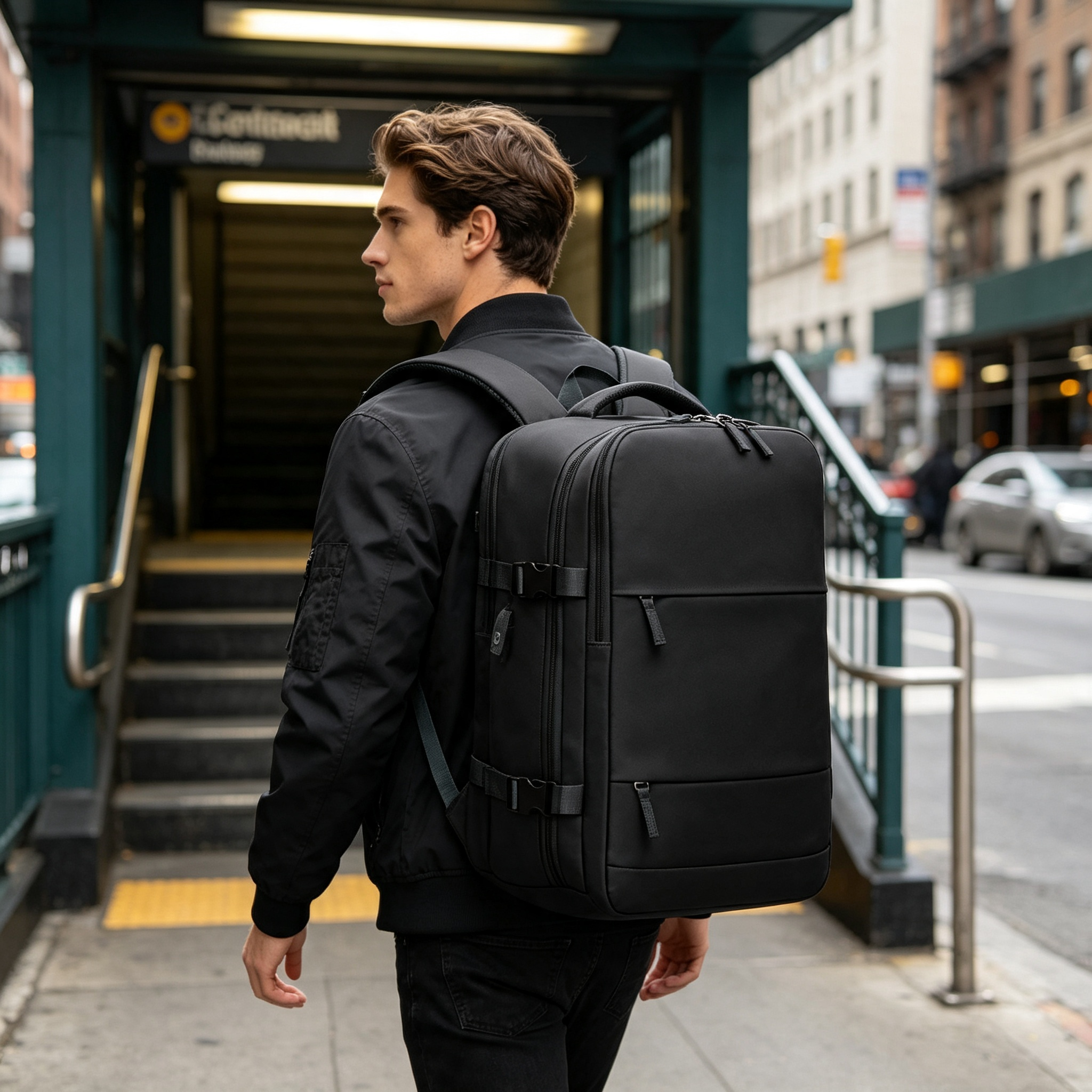
The catalog is the first sample you send
Buyers judge manufacturing quality long before a physical sample arrives — from how precisely you write. Localized units, correct certificates, and a spec table an AI assistant can quote tell a buyer that your factory documents its work. That is the same discipline that shows up in your stitching.
SimiBag builds custom backpacks and vacuum storage products for B2B buyers across North America, Europe and Latin America, and we ship market-ready spec sheets with every quotation. Send us the market you are entering and we will return the file set your buyers expect. Start at simibag.com.
SEO tags
#CatalogLocalization #CustomBags #BackpackManufacturer #B2BSourcing #GEO #SEOCopywriting #OEMBackpacks #TradeCompliance #SimiBag