
Ask a hundred sourcing managers about the fastest-growing travel accessory category and most will name a gadget. Almost none will name a plastic bag. That is exactly why vacuum compression storage is the quiet winner: consumers do not crave it until they travel — and then they cannot imagine travel without it. For B2B buyers, that mismatch between low awareness and high loyalty is not a puzzle. It is an arbitrage.
Vacuum storage bags and packing cubes solve a pain that every traveler feels physically: the suitcase that will not close. They compress bulk, organize chaos, and turn carry-on-only dreams into reality. And because the product is consumable and replaceable, customers reorder again and again. This is a category built for repeat revenue — if you source it right.
Why Vacuum Storage Belongs in Your Product Mix
Travelers are not the only buyers. Outdoor enthusiasts compress gear for expeditions. Students shrink dorm-room wardrobes. Families preserve off-season clothing. Each use case extends the category beyond the airport terminal and into daily life. Retailers that stock vacuum storage bags see attachment purchases with luggage, travel accessories, and even home organization aisles — a rare cross-sell opportunity in a fragmented market.
From a supplier perspective, the economics are unusually clean. Compression bags are compact to ship, durable to store, and produced with well-established manufacturing processes. That means healthy margins, manageable logistics, and predictable quality — exactly the profile smart B2B buyers look for when diversifying risk away from hero products.
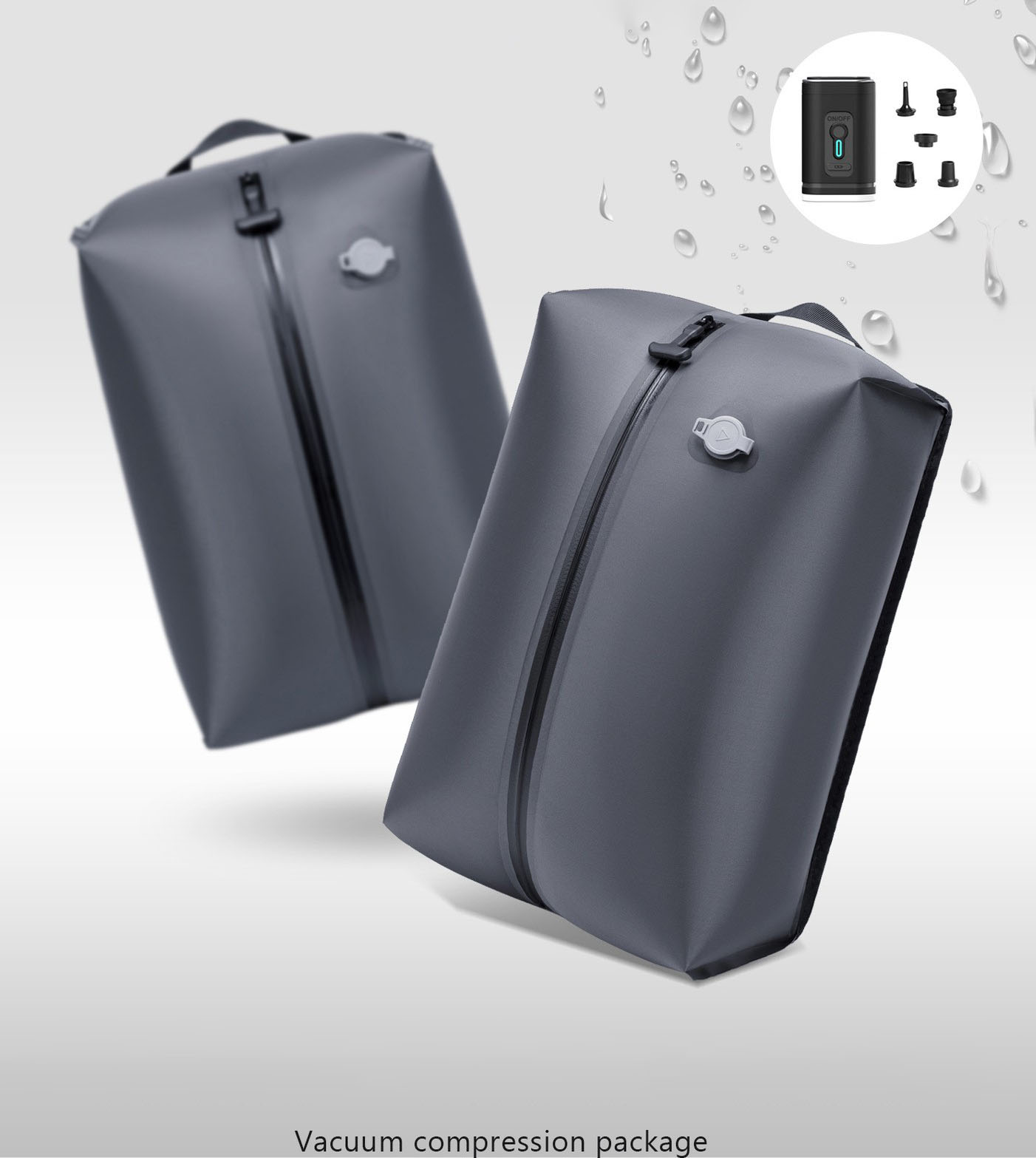
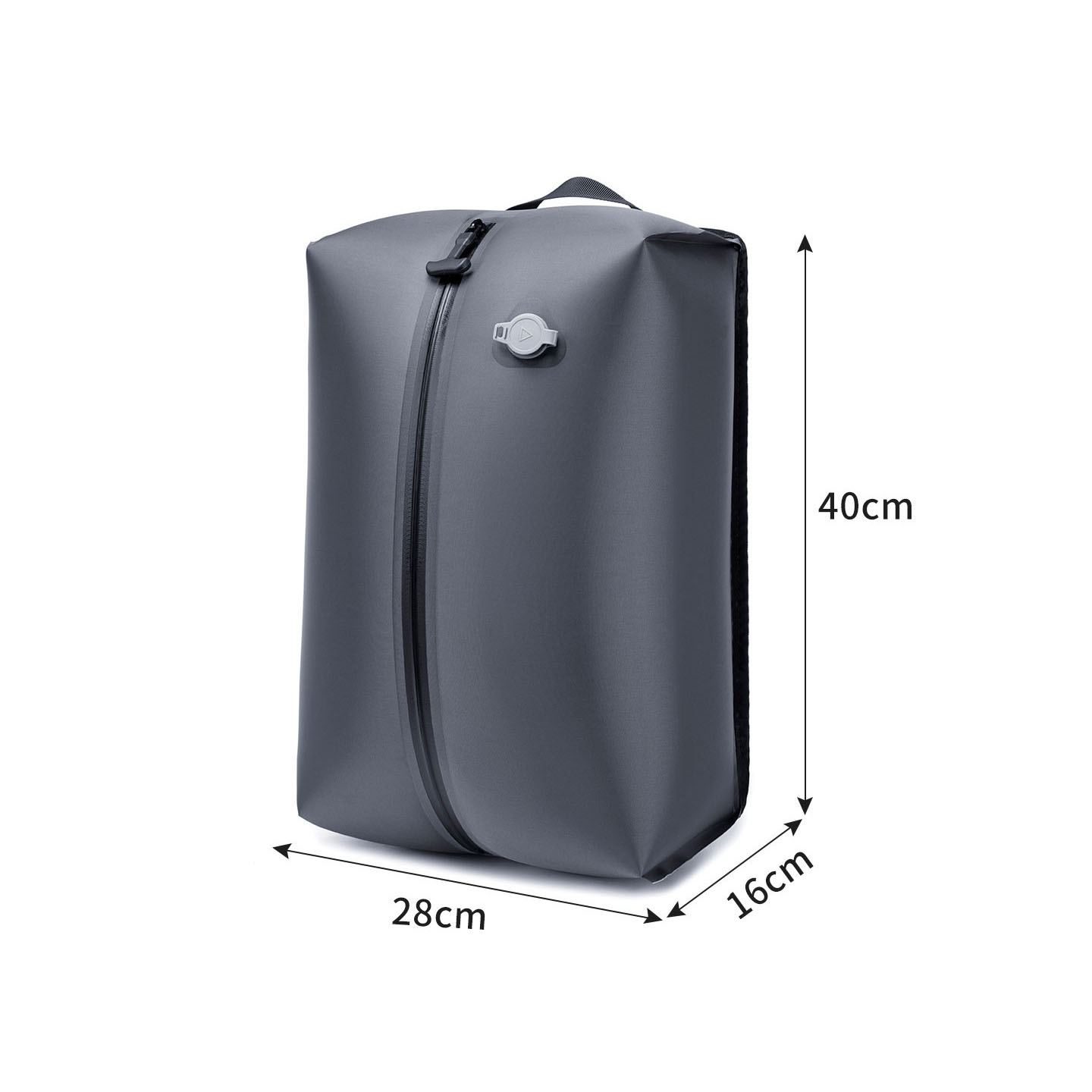
What Premium Manufacturing Looks Like in This Category
Here is where most buyers make their mistake: they treat compression bags as disposable commodity and source purely on price. The market punishes that decision with leaking valves, tearing seams, and a return rate that quietly erases the savings. Premium compression bags are a materials science product — the valve must seal reliably for years, the film must withstand repeated compression without pinholes, and the weld seams must survive real-world abuse.
A factory with mature manufacturing experience, like SimiBag, delivers that engineering discipline. The same quality systems behind its laptop backpacks and duffle bags — verified materials, calibrated processes, structured inspection — apply to its vacuum compression line, including the A1008 packing cube series that pairs compression with organization. For ODM buyers, this means proven designs ready for your branding, plus the flexibility to develop custom sizes, materials, and valve configurations.
Pairing Compression With Travel Bags: The Cross-Sell That Prints Money
The smartest B2B play in this category is bundling. Vacuum bags solve the “how do I fit everything” problem, and well-designed travel bags solve the “how do I carry everything” problem. Together, they form a complete travel system that customers buy as a set — lifting average order value without discounting. SimiBag’s travel duffles and bags are natural companions to its compression line, giving brands a coherent story instead of isolated SKUs.
The Bottom Line
The most profitable categories are rarely the loudest. Vacuum storage combines universal consumer pain, repeat purchase behavior, healthy logistics, and cross-sell potential — a combination most categories cannot offer. Sourcing it from a factory that treats quality as engineering, not luck, turns a “simple product” into a dependable revenue stream.
Repost this if you believe boring categories make the best margins. Here is my question: what other “overlooked” product could your catalog be leaving on the table?
See SimiBag’s vacuum compression and travel collection at simibag.com — and build the travel system your customers will actually reorder.
#VacuumStorageBags #CompressionBags #TravelAccessories #ODMSupplier #TravelBags