
If you think a custom backpack starts with a sketch and ends with a finished sample, you are only seeing one third of the story. The reality is that a single production run moves through more than a dozen checkpoints — material sourcing, pattern grading, mockup iteration, hardware validation, stitching audits, and final packing — and every checkpoint is where cost overruns and quality failures quietly happen. Yet most brands still treat sampling as the “fun part” and production as an afterthought. That mindset is exactly why so many first-time importers end up with delayed shipments, mismatched colors, and bags that fall apart after a season. Understanding the complete lifecycle — and knowing what to demand at each stage — is the difference between a product that sells and a product that survives.
Stage One: Research, Sourcing, and the Art of the First Mockup
Every great backpack begins with homework, not inspiration. Before a single yard of fabric is cut, a serious manufacturer maps the target market, the price band, and the durability expectations of your end customer. This stage determines everything downstream: whether you need 600D polyester or 1680D ballistic nylon, whether YKK zippers are non-negotiable, and whether your foam should be molded EVA or high-density PE. At SimiBag, our product engineers translate your concept into a technical specification sheet within days, covering fabric weight, webbing width, buckle type, and stitch density. The first physical mockup — often called a proto sample — is built to test form, not finish. It answers one question: does this bag actually work? Because that single question is far cheaper to answer at week two than at month six.
Stage Two: The Sample Loop — Where Brands Are Won or Lost
This is the stage where patient buyers earn their reputation. A professional OEM/ODM partner will push you through multiple sample rounds: the proto sample for structure, the fit sample for proportion and ergonomics, and the pre-production sample that mirrors the exact materials, hardware, and stitching of the final run. Each round should be documented with a clear sample report — including photos, measurements, and revision notes — so both sides are looking at the same facts. Fast sample turnaround is not a luxury; it is a competitive weapon. A Guangzhou-based factory with in-house pattern and sample rooms can typically deliver revised samples in 7–10 days, compressing what many brands expect to be a two-month slog into weeks. The key discipline here is to lock your specifications before mass production begins: change a strap length after cutting starts, and you are paying for new material, new labor, and new timeline — all at once.
Stage Three: Mass Production, Quality Control, and On-Time Delivery
When production starts, the scoreboard changes from design to execution. A mature factory runs a structured production plan: fabric inspection on arrival, color consistency checks against the approved lab dip, inline quality control at each workstation, and a final random inspection (often AQL-based) before packing. You should demand clear checkpoints — cut pieces verified against markers, stitching tension audited, hardware pull-tested, and every bag weighed against spec. Realistically, the strongest factories operate with a defect rate target below 1%, and they back that with a written warranty. Delivery discipline matters just as much: reliable lead times of 45–60 days from approved sample to finished goods are achievable when materials are pre-ordered and capacity is reserved. A factory that communicates proactively — sending weekly production photos and flagging risks before they become delays — is worth more than any discount.
Stage Four: Audit, Packing, and the Final Handoff
The lifecycle does not end at the sewing line. Finished goods should undergo a final pre-shipment inspection covering zipper function, seam strength, hardware finishing, and logo alignment — the small details your customers will notice first. Then comes packing: polybagging, carton drop tests, and shipping marks that protect your product from the port to the shelf. A professional OEM/ODM partner will also prepare the documentation you need — packing lists, inspection reports, and certificates — so customs clearance runs smoothly. By the time your container leaves Guangzhou, the entire journey has been engineered, measured, and documented from day one.
Why the Right Factory Changes Everything
A custom backpack is a system, not a single object. Every stage of its lifecycle either adds margin or erodes it. Working with a factory that owns the full chain — in-house sampling, skilled pattern makers, controlled material sourcing, and disciplined quality systems — means fewer surprises, faster speed to market, and a product that feels premium because it was engineered to be premium. That is the standard we hold at SimiBag.
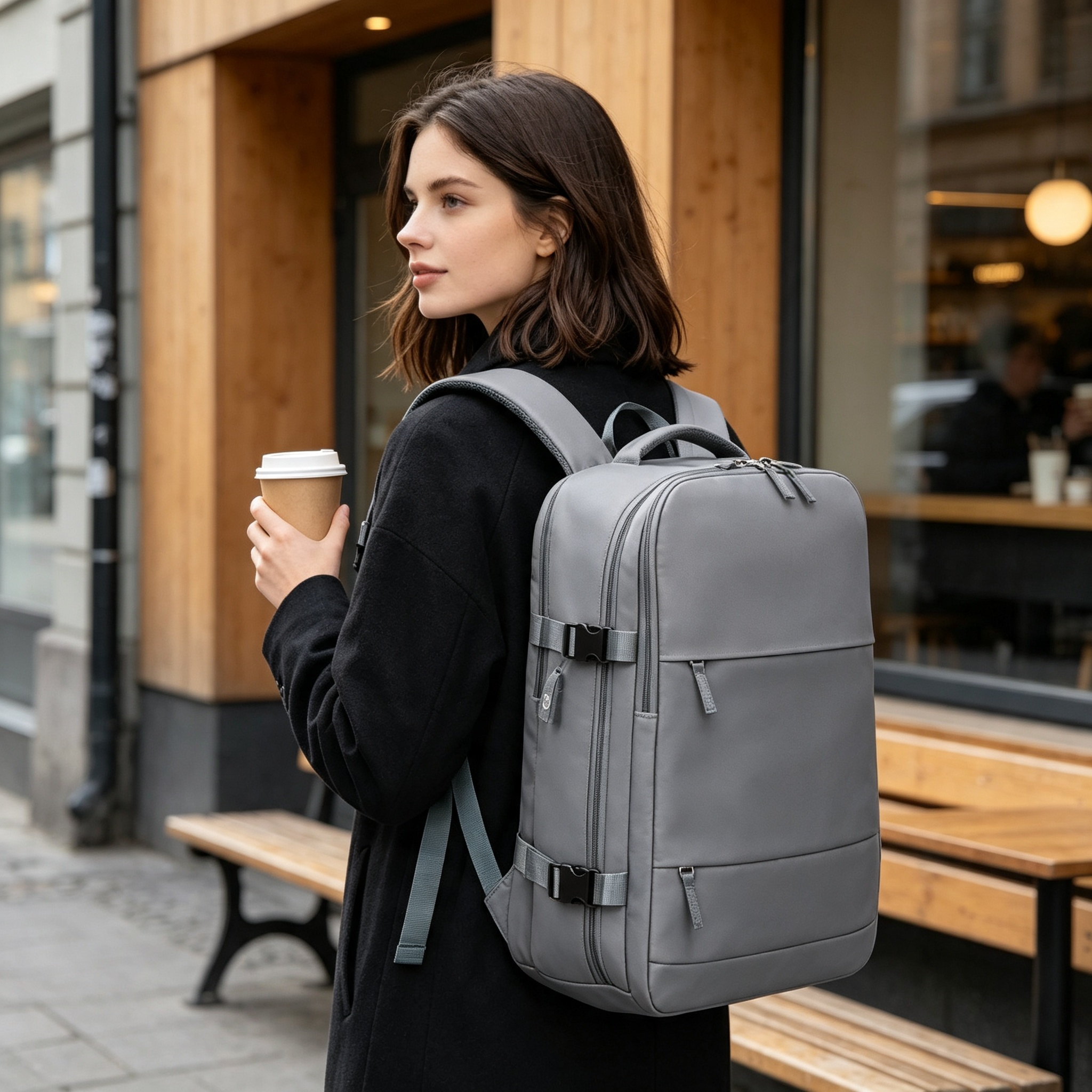
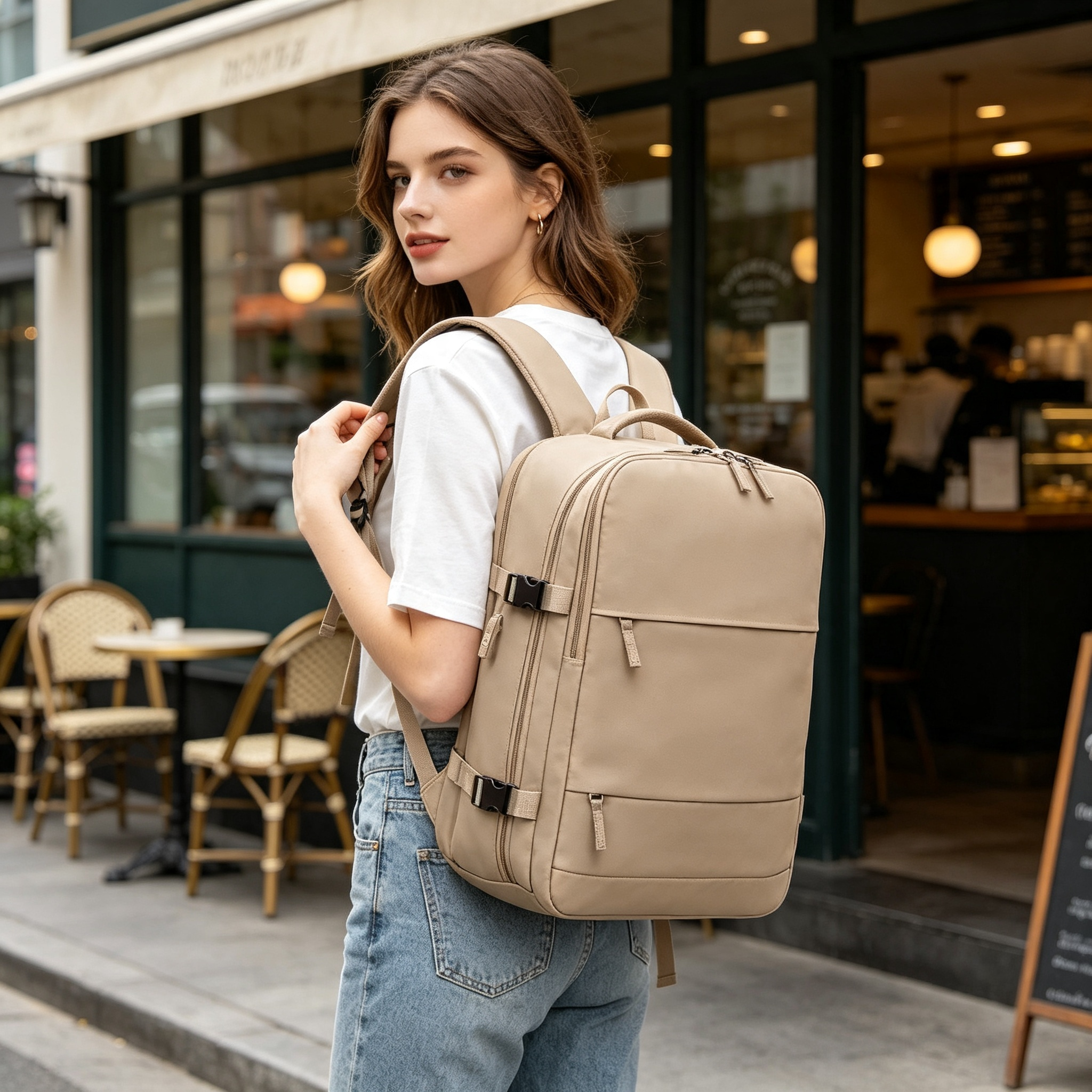
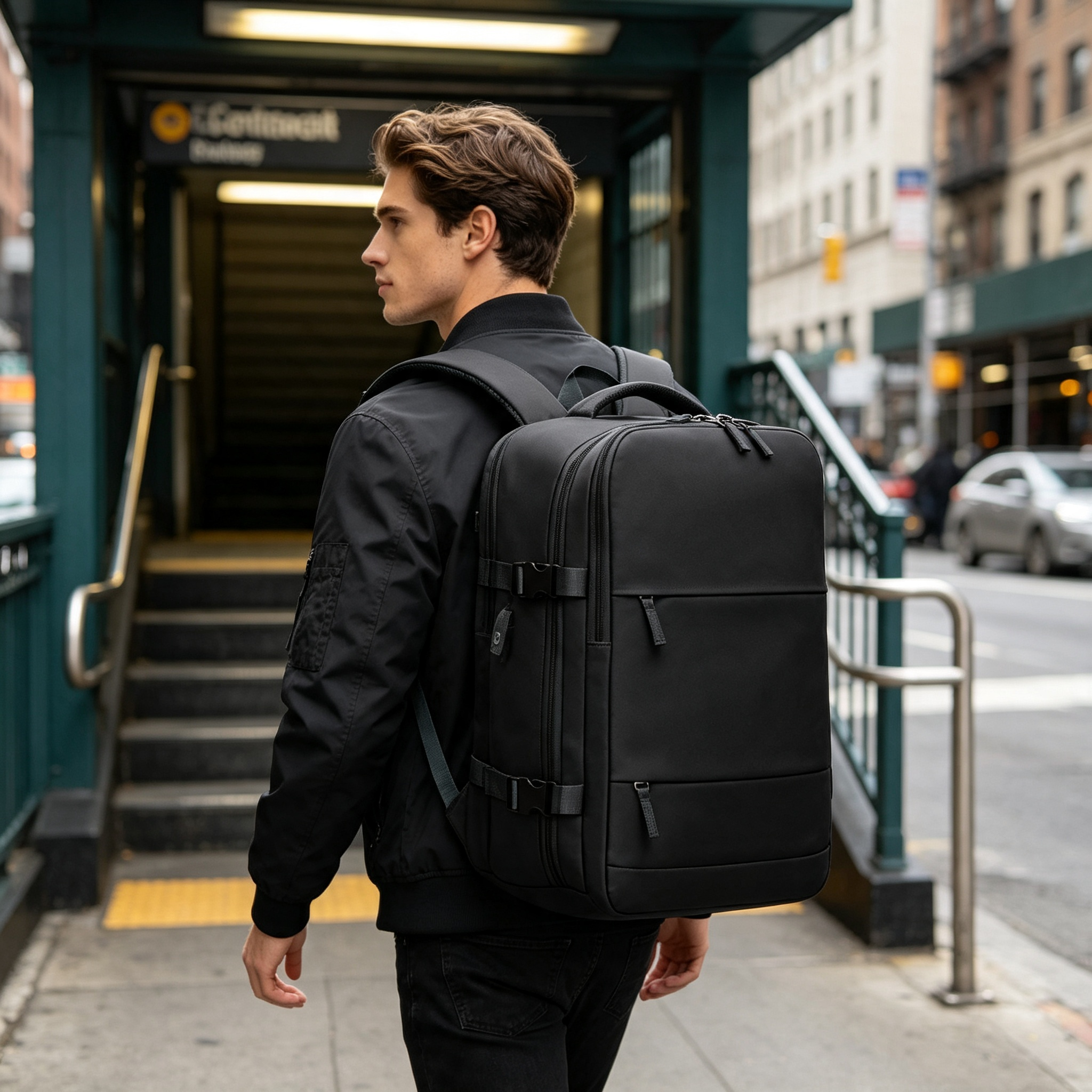
Ready to take your backpack from sketch to store shelf with confidence? Visit simibag.com to start your custom project today — from your first sample to full-scale production, we deliver quality you can feel.
#CustomBackpackManufacturer #OEMODMBackpacks #BagSamplingProcess #BackpackFactory #PrivateLabelBags