
Kids’ backpacks look simple and are the least forgiving category in the entire bag business. A wrong strap angle, a dye that fails migration testing, or a size chart that ignores age grading can pull a product from a shelf and trigger a recall. For private label kids backpacks, the specs that matter are the ones a buyer cannot see in a product photo — and the ones an auditor checks line by line before a back-to-school season ships.
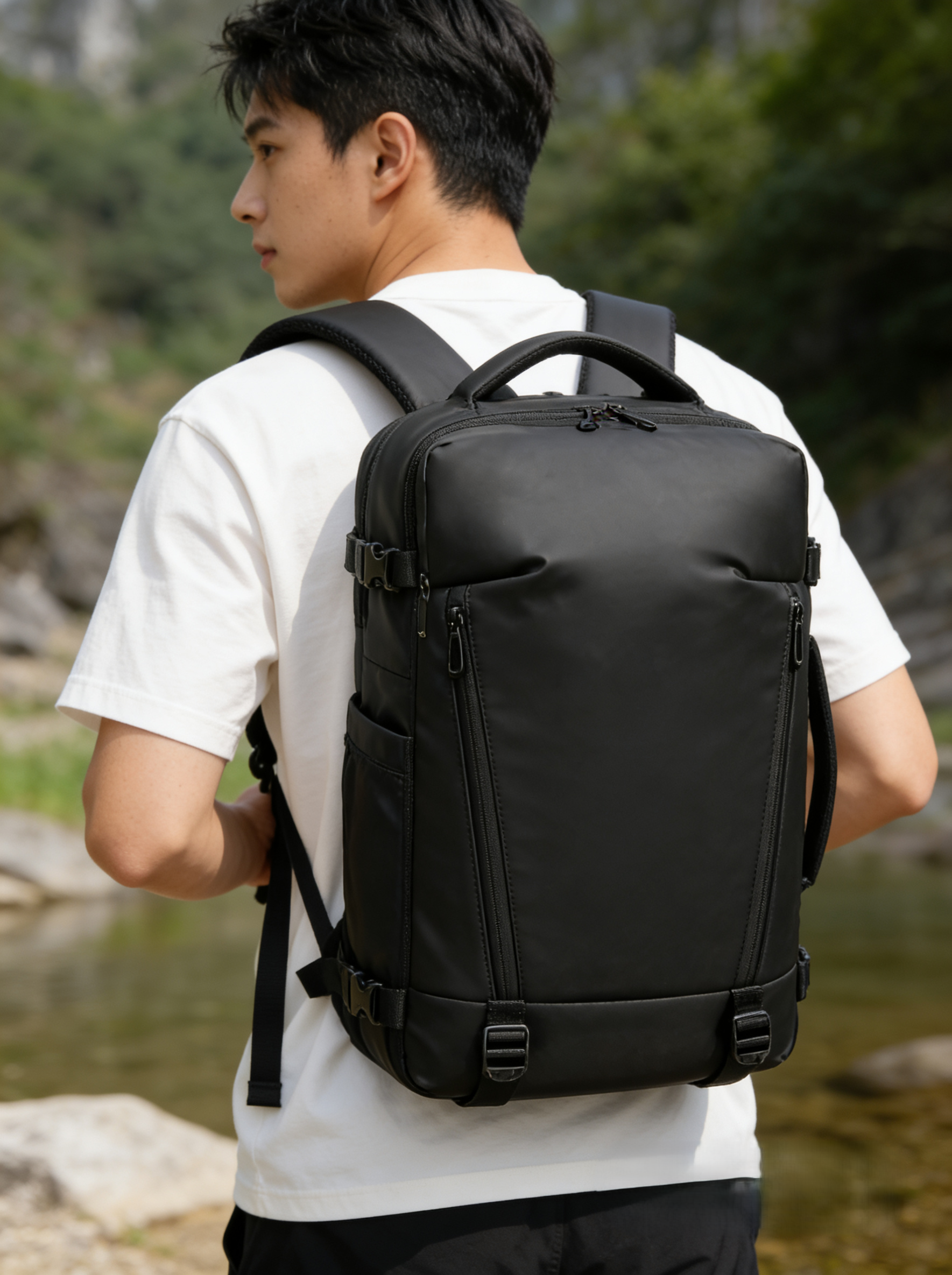
Size the bag to the child, not to the order
Age-appropriate sizing is the first thing a serious retail buyer audits. Oversized bags on small frames are the leading cause of complaints.
- Ages 3 to 6: 8 to 12 L capacity, a 28 to 32 cm back panel, 250 to 350 g total weight.
- Ages 6 to 9: 12 to 18 L capacity, a 34 to 38 cm back panel, chest strap recommended.
- Ages 9 to 12: 18 to 25 L capacity, a 40 to 44 cm back panel, load-bearing sternum or hip support.
A bag sized for 9 to 12 sold to a six-year-old puts the weight below the hips and defeats every ergonomic feature you engineered.
The ergonomics that actually reduce load
Parents buy “ergonomic”; auditors verify whether the features exist.
- S-curve padded shoulder straps that follow the neck and shoulder line rather than cutting across them.
- A sternum strap that keeps straps from slipping and distributes load across the chest.
- A ventilated, molded back panel with airflow channels, not flat foam.
- Reflective elements rated to EN ISO 20471, plus reflective piping on the side panels.
None of these are luxury add-ons in Europe; several are effectively baseline for school-channel buyers.
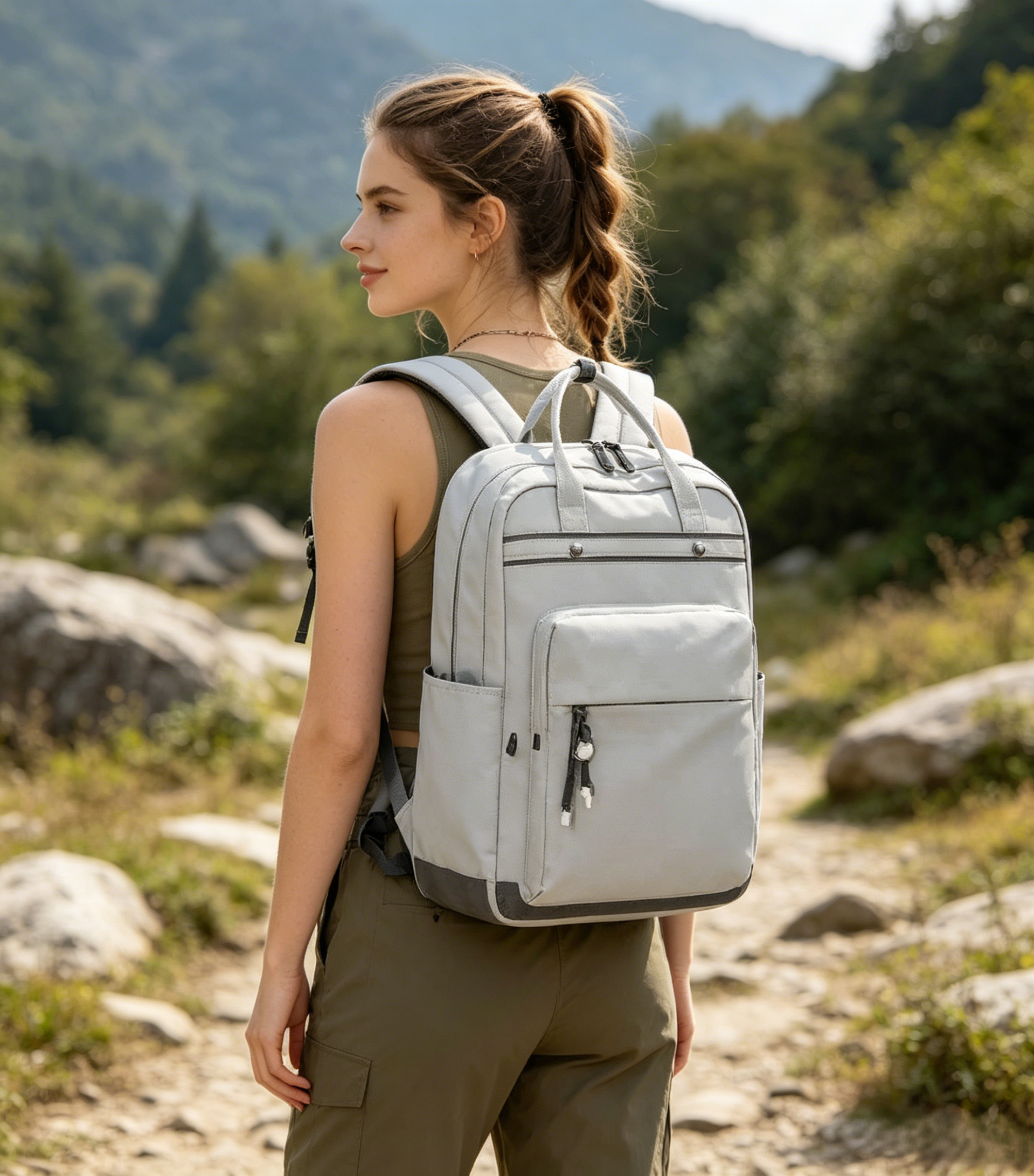
Compliance that ends the conversation
Two chemical families stop kids’ bag shipments at customs more often than any other issue.
- AZO dyes are prohibited in the EU for textiles that touch skin. Specify OEKO-TEX certified dye lots and keep the certificate number on file.
- Migration of elements: EN 71-3 sets limits for heavy metals in materials children may mouth or handle.
- Lead and phthalates: CPSIA makes these mandatory for the US market, and the limits apply to components as well as fabric.
A private label program should hold test reports before the first carton is packed, not after a problem appears.
The labels and traceability a retailer audits
Retail compliance teams check the sewn-in label as rigorously as the fabric. A defensible kids’ backpack carries the manufacturer name and address, a production batch code, fiber content, country of origin and care instructions. Missing batch codes make a targeted recall impossible and turn a small defect into a full-category withdrawal.

The 2027 back-to-school timeline
Kids’ bags run on a fixed calendar. Work backward from the shelf.
- January to February: sampling and safety testing
- March to April: PO placement and material procurement
- June: production completion and inspection
- July to August: ocean freight and shelf set
Miss the June production window and you pay for air freight, or you miss the season entirely.
A private label kids’ backpack program is a compliance exercise disguised as a design project. Get the sizing, ergonomics, chemistry and labeling right and the rest of the bag is straightforward. Build it with a factory that tests before it ships at https://simibag.com.