
Every bag buyer models CBM before placing a PO. Almost none of them control it afterwards. Cartons are already tooled, bag dimensions are locked, and packing density was decided by a factory carton engineer — not by the person paying the freight.
That is why bag freight cost optimization usually fails in the same place: it is managed at quotation stage and abandoned at execution. The five levers below rarely appear in a quote, and every one of them appears on the invoice. None of them require changing the bag.
Lever 1 — Consolidation, and the LCL cliff
Less-than-container load looks efficient until you run the per-CBM maths. LCL rates typically land 1.6 to 2.2 times the FCL equivalent per cubic metre, before the CFS handling, documentation and destination charges that exist only on LCL.
The cliff sits around 13–15 CBM. Below it, LCL genuinely wins on cash flow. Above it, you are paying a premium to share a box.
For buyers running three SKUs from two or three suppliers, consolidation is the biggest lever available. Cargo moves into a bonded warehouse in Guangzhou or Shenzhen, gets palletised together, and ships as one container. It adds three to five days at origin and routinely removes 20–30% from the freight line.

Lever 2 — Palletised or floor-loaded
A 40HQ floor-loaded with backpacks typically holds 20–25% more cartons than the same container loaded on pallets, because pallets and the gaps between them consume volume you paid for.
The trade-off lands at destination. Palletised cargo unloads in under an hour with a pallet jack. Floor-loaded cargo means manual handling, four to eight hours of labour, and a facility that can absorb that dwell time. Add roughly 25 kg of timber per pallet — twenty pallets is half a tonne of dead weight moving across an ocean.
The decision rule is operational, not financial: if your receiving site has no dock levellers and no labour window, do not floor-load to save sea freight and then lose the saving on unloading.
Lever 3 — Port choice and sailing frequency
Rates for the same container move 5–15% between South China ports, and transit time shifts with them. Yantian to Los Angeles runs about 14–18 days; adding an origin feeder or choosing a slower string can add a week.
Two habits matter more than the port itself. First, book three to four weeks ahead through peak season — rolled cargo is the quietest cost in the system, because it never shows up as a charge; it shows up as a missed retail window. Second, keep two forwarders quoting, because a single provider stops competing with itself.

Levers 4 and 5 — Incoterms risk and the free-time clock
Lever 4 — DDP, DAP and who actually pays. Incoterms decide more of your landed cost than the rate card does. Under DAP, the buyer handles import clearance, duty and delivery from the terminal. Under DDP, the seller does — which sounds simpler until you ask who is the importer of record.
A DDP quote from a supplier with no local entity typically runs through a broker, and brokers add margin, commonly 3–8%, on top of duty and clearance. That margin stays invisible unless you request the cost breakdown.
Charges that sit outside most quotes: destination terminal handling, chassis fees, ISF filing at roughly $25–50, customs bond, and demurrage exposure if documents arrive late. Ask for terminal handling to be named or capped, and confirm which side owns the free-time clock.
Lever 5 — Demurrage, detention and the free-time clock. These are the two charges buyers learn last. Demurrage is a container sitting inside the terminal. Detention is a container sitting outside it, at your facility, past its free days.
Destination free time commonly runs four to seven combined days, and the carrier’s clock starts at discharge — not at the moment your broker picks up the file. Dry container rates typically start around $100–150 per container per day and climb the longer the box sits.
Five avoidable days across four containers can cost more than the spread between two forwarders’ quoted rates. The fix is procedural: pre-clear documentation before vessel arrival, negotiate seven to ten days of free time into the contract, and book the pickup date before the ship berths.
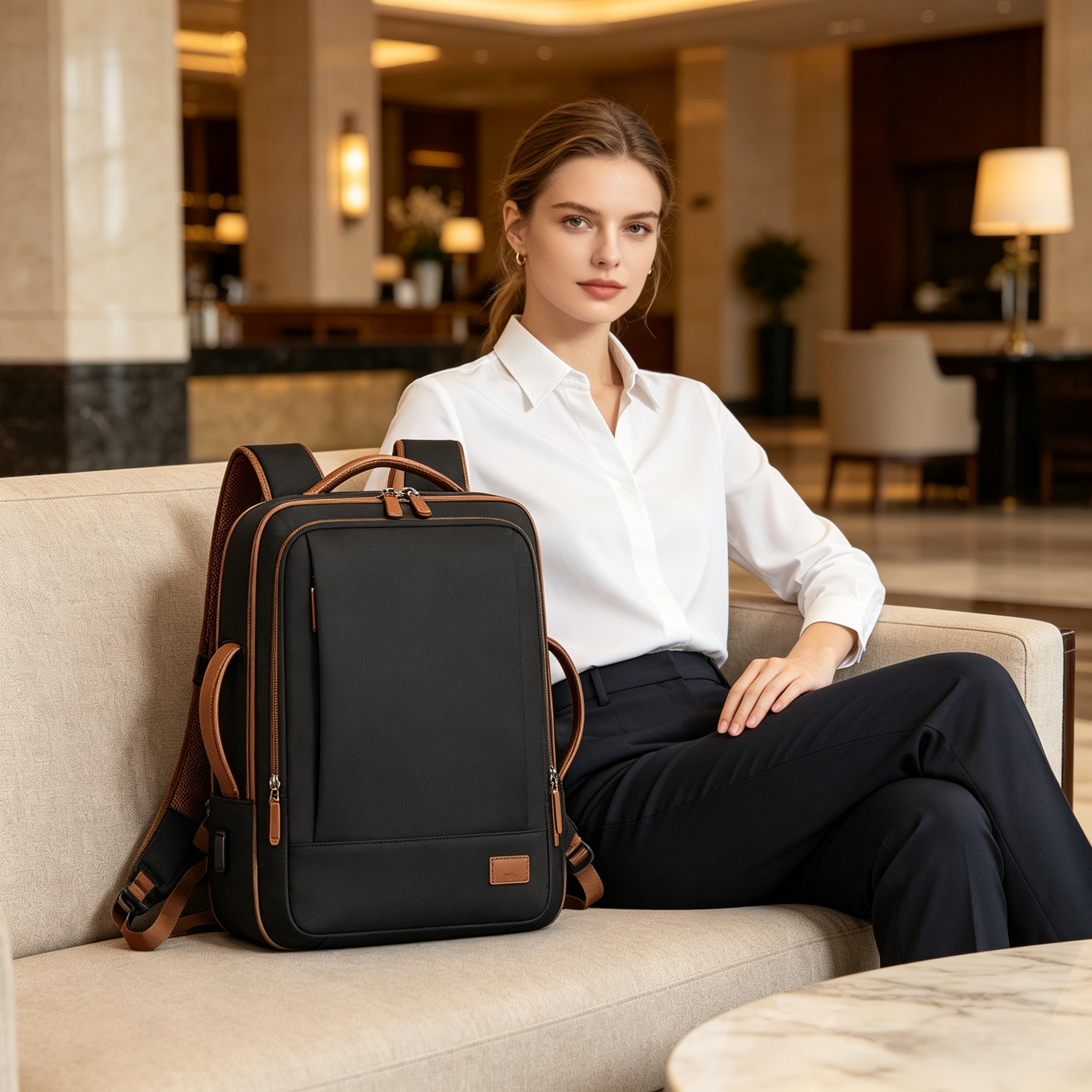
CBM is a factory decision, made once. These five levers are buyer decisions you can make on every shipment, and together they usually move more margin than the rate negotiation everyone focuses on. If you want your next bag programme quoted with consolidation, incoterms and free-time assumptions spelled out, send your lane and volumes to SimiBag at https://simibag.com.
FreightCost #LandedCost #BagSourcing #SupplyChain #SimiBag